Pasquotank County: Where Waterways, Farmland, and Outdoor Heritage Still Define Eastern North Carolina
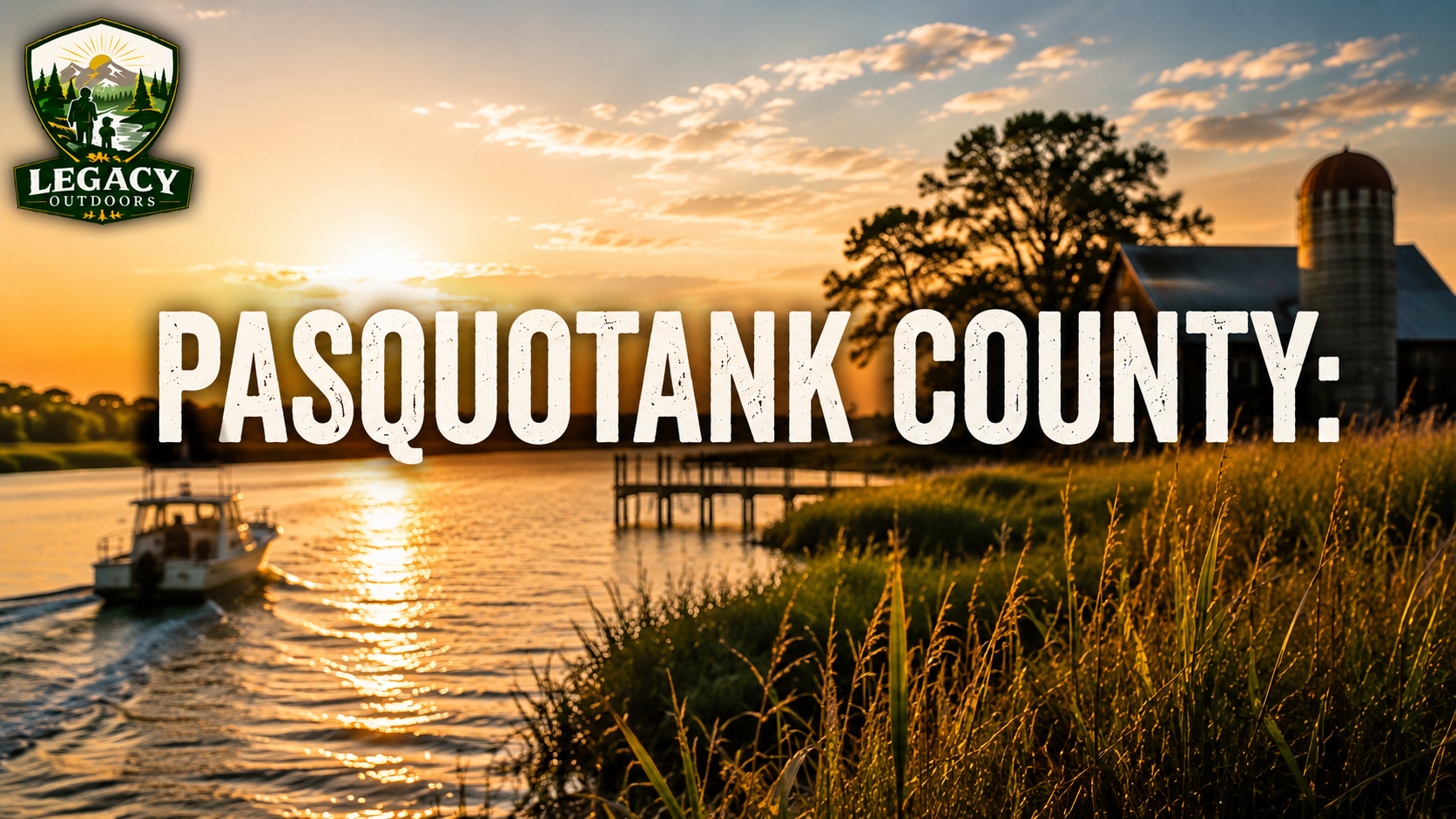
Nestled along the banks of the Pasquotank River in northeastern North Carolina lies a county that many travelers pass through without fully understanding its significance.
To locals, however, Pasquotank County is far more than a place on a map.
It is a land shaped by water, built through agriculture, and sustained by generations of outdoorsmen who found their livelihoods and recreation among its rivers, farms, forests, and fields.
From historic tobacco and cotton farms to modern water sports, from dove fields to fishing holes, Pasquotank County remains one of North Carolina’s hidden outdoor treasures.
A County Built by Water
Long before highways connected northeastern North Carolina to the rest of the state, waterways served as the region’s lifeline.
The Pasquotank River flows southward into the Albemarle Sound, linking local communities to one of the largest estuarine systems on the East Coast. For centuries, these waters transported crops, timber, seafood, and people throughout the region.
The river helped establish the growth of Elizabeth City, often called the “Harbor of Hospitality,” which became an important shipping and commercial center for northeastern North Carolina.
Today, the same waterways that fueled economic growth provide opportunities for recreation, fishing, boating, kayaking, and water sports.
Life on the River
The Pasquotank River remains one of the county’s defining features.
Anglers pursue largemouth bass, striped bass, crappie, catfish, white perch, and sunfish throughout the river system. During the warmer months, boaters and jet skiers fill the waterways while families gather along the shoreline to enjoy sunsets over the water.
Kayakers can quietly explore tributaries lined with cypress trees and marsh grasses while observing wildlife that has inhabited the region for generations.
The river continues to connect residents with the outdoors just as it did centuries ago.
The Fields That Built a Community
While water shaped the county’s geography, agriculture shaped its identity.
For much of its history, Pasquotank County depended heavily on farming. Fertile soils supported crops such as:
Tobacco
Cotton
Corn
Soybeans
Peanuts
Wheat
For generations, tobacco and cotton fields dominated the landscape, providing employment and helping sustain local families through both prosperity and hardship.
Though agriculture has evolved over time, farming remains an important part of the county’s economy and heritage.
Driving through rural Pasquotank today still reveals a patchwork of fields that tell the story of a community deeply connected to the land.
Dove Hunting and Agricultural Tradition
Ask many local sportsmen about early September, and the conversation quickly turns to dove season.
The agricultural heritage of Pasquotank County has helped create excellent habitat for mourning doves. Harvested grain fields, open agricultural landscapes, and carefully managed hunting properties provide opportunities for one of the South’s most beloved hunting traditions.
For many families, opening day of dove season represents more than hunting.
It is a reunion.
Friends gather around tailgates, children learn firearm safety and hunting etiquette, and multiple generations share stories before taking their places along field edges.
Few outdoor traditions capture the spirit of fellowship quite like a North Carolina dove hunt.
Waterfowl and Coastal Influence
Because of its proximity to the Albemarle Sound and nearby coastal habitats, Pasquotank County also benefits from strong waterfowl traditions.
Migrating ducks and geese have long attracted hunters to northeastern North Carolina, helping establish the region as one of the nation’s historic waterfowl destinations.
The same waterways that support recreation today continue to provide critical habitat for migratory birds moving along the Atlantic Flyway.
Modern Outdoor Recreation
While farming and hunting remain important, Pasquotank County has embraced modern outdoor recreation as well.
Visitors and residents enjoy:
Boating
Kayaking
Paddleboarding
Water skiing
Jet skiing
Freshwater fishing
Wildlife photography
Hiking and nature observation
The combination of river access, open spaces, and small-town charm creates an environment where outdoor activities remain a central part of everyday life.
Preserving a Way of Life
One of the most remarkable aspects of Pasquotank County is how it balances growth with tradition.
Modern businesses, schools, and infrastructure continue to develop, yet many families still maintain deep ties to farming, fishing, hunting, and life on the water.
Grandparents pass down stories of tobacco harvests.
Parents teach children how to launch a boat or safely handle a shotgun during dove season.
The traditions may evolve, but the values behind them remain unchanged.
A Reflection of Eastern North Carolina
In many ways, Pasquotank County represents the best of eastern North Carolina.
It is a place where rivers still matter, where agriculture remains respected, and where outdoor traditions continue to unite communities.
The county’s history is written not only in courthouse records and historic buildings but also in the wake of a fishing boat crossing the river at dawn, the sound of mourning doves over a harvested field, and the sight of families gathering along the waterfront on a summer evening.
The Legacy Lives On
Pasquotank County may never attract the attention of larger tourist destinations, and perhaps that’s part of its charm.
Its beauty is found in everyday moments.
A farmer watching the sunrise over a field.
An angler casting into calm river water.
A father introducing his child to opening day of dove season.
A family enjoying a summer afternoon on the Pasquotank River.
These experiences form the foundation of a heritage that continues to thrive.
And for those who call northeastern North Carolina home, that heritage is something worth preserving for generations to come.
Free. Delivered to your inbox.