
Summer Boating Safety: Essential Coast Guard Tips for Families
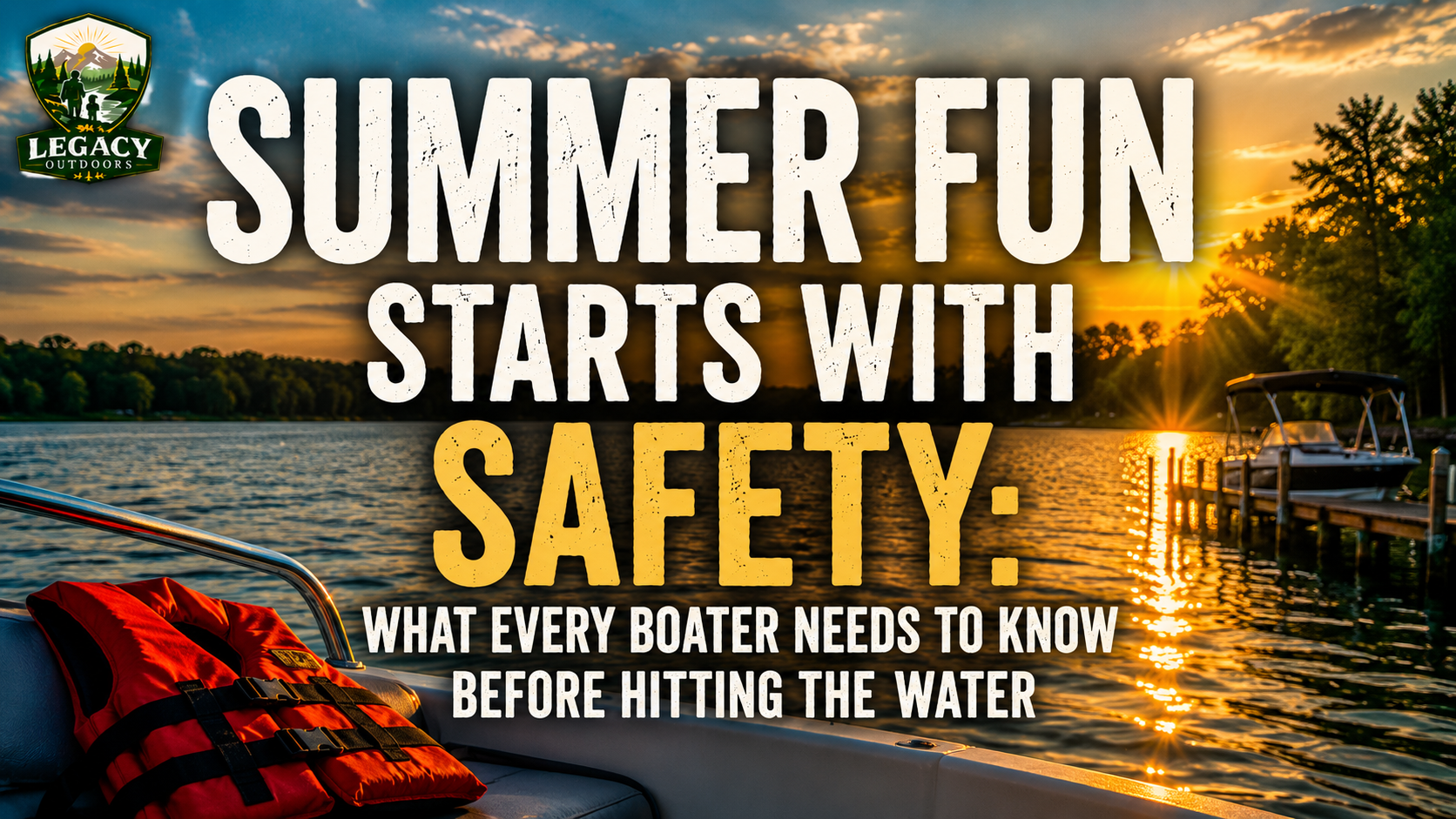
For many families, summer means one thing:
It’s boating season.
From fishing boats on the Outer Banks and pontoons on inland lakes to jet skis along the coast and kayaks on quiet rivers, millions of Americans head to the water every year in search of adventure, relaxation, and family memories.
But while boating can provide some of the best days of summer, it also carries responsibilities that should never be ignored.
The good news is that most boating accidents are preventable.
By following a few simple safety practices recommended by the U.S. Coast Guard and boating safety organizations, you can help ensure your next day on the water ends with great memories instead of an emergency.
The Most Important Piece of Safety Equipment
If the Coast Guard could give every boater one piece of advice, it would likely be this:
Wear your life jacket.
According to Coast Guard boating safety data, most boating fatalities involve drowning victims who were not wearing life jackets. In recent safety campaigns, the Coast Guard has noted that roughly 75% of boating deaths involve drowning and that the vast majority of those victims were not wearing a life jacket.
Every recreational vessel must carry a properly sized, U.S. Coast Guard-approved life jacket for every person onboard. Boats over certain lengths must also carry a throwable flotation device.
A life jacket cannot help if it is buried beneath gear in a storage compartment.
The safest place for a life jacket is on the person wearing it.
Children and Life Jackets
Parents should pay particular attention to life jacket requirements.
Federal law generally requires children under 13 years of age to wear a Coast Guard-approved life jacket while aboard a moving recreational vessel, with limited exceptions such as being inside an enclosed cabin. State laws may include additional requirements.
Even when not required by law, many boating safety experts recommend that children wear life jackets anytime they are near the water.
Never Mix Alcohol and Boating
Most people understand the dangers of drinking and driving.
The same principle applies on the water.
The Coast Guard consistently identifies alcohol as one of the leading contributing factors in fatal boating accidents. Sun exposure, heat, dehydration, waves, and fatigue can amplify alcohol’s effects and impair judgment much faster than many boaters realize.
A safe captain is a sober captain.
Check the Weather Before Leaving the Dock
Summer weather can change rapidly.
Thunderstorms can develop quickly, especially in coastal areas and throughout the Southeast. Before launching your boat:
Check marine forecasts.
Monitor radar.
Watch for changing wind conditions.
Keep an eye on developing clouds.
Know where safe harbor is located.
No fish, sandbar, or destination is worth risking your family’s safety.
File a Float Plan
One of the simplest safety measures is also one of the most overlooked.
Before leaving, tell someone:
Where you’re going.
Who is with you.
When you expect to return.
What type of vessel you’re operating.
If something goes wrong, this information can significantly speed up rescue efforts. The Coast Guard regularly encourages boaters to share float plans before heading onto the water.
Navigation Lights Save Lives
Many summer outings extend into the evening.
Whether you’re returning from a fishing trip or watching fireworks from the water, navigation lights are critical. Recreational vessels are required to display proper navigation lights between sunset and sunrise and during periods of restricted visibility such as fog, rain, or haze.
Being visible helps prevent collisions and keeps everyone safer.
Boater Education Matters
Many states now require boater education for certain operators, and even where it isn’t required, completing a boating safety course is one of the smartest investments a captain can make.
Courses cover:
Navigation rules
Emergency procedures
Required safety equipment
Weather awareness
Safe vessel operation
The Coast Guard and boating safety organizations continue promoting education because informed boaters make safer decisions on the water.
Don’t Forget Basic Equipment
Before every trip, conduct a quick safety inspection.
Verify that you have:
Proper life jackets for everyone onboard
Throwable flotation device if required
Fire extinguisher
Sound-producing device such as a whistle or horn
Navigation lights
First-aid kit
Communication device
Emergency supplies
A few minutes of preparation can prevent hours of trouble later.
Teaching the Next Generation
For many families, boating is about more than recreation.
It’s about spending time together.
Children learn responsibility while helping prepare the boat. They develop confidence through fishing, water sports, and navigation. Most importantly, they create memories that often last a lifetime.
Teaching boating safety is one of the greatest gifts parents and grandparents can pass along. Safe habits learned today may protect those children for decades to come.
Stewardship on the Water
Responsible boaters also understand that protecting waterways is part of the outdoor heritage we pass on to future generations.
Respect wildlife.
Dispose of trash properly.
Follow no-wake zones.
Protect seagrass beds and sensitive habitats.
Leave the water cleaner than you found it.
Stewardship and recreation should always go hand in hand.
Make This Summer One to Remember
America’s lakes, rivers, sounds, bays, and coastal waters provide endless opportunities for adventure.
Whether you’re chasing redfish along the coast, tubing with the kids on the lake, exploring a mountain river by kayak, or watching the sunset from the deck of a pontoon boat, boating remains one of summer’s greatest traditions.
The best boating trip isn’t the one with the biggest fish or the fastest boat.
It’s the one where everyone returns safely to the dock.
This summer, wear your life jacket, stay alert, and enjoy God’s creation responsibly.
Because the greatest memories are the ones that everyone gets to come home and share.
Free. Delivered to your inbox.