
Summer Lines And Safe Landings: Your Guide to a Successful Fishing Season
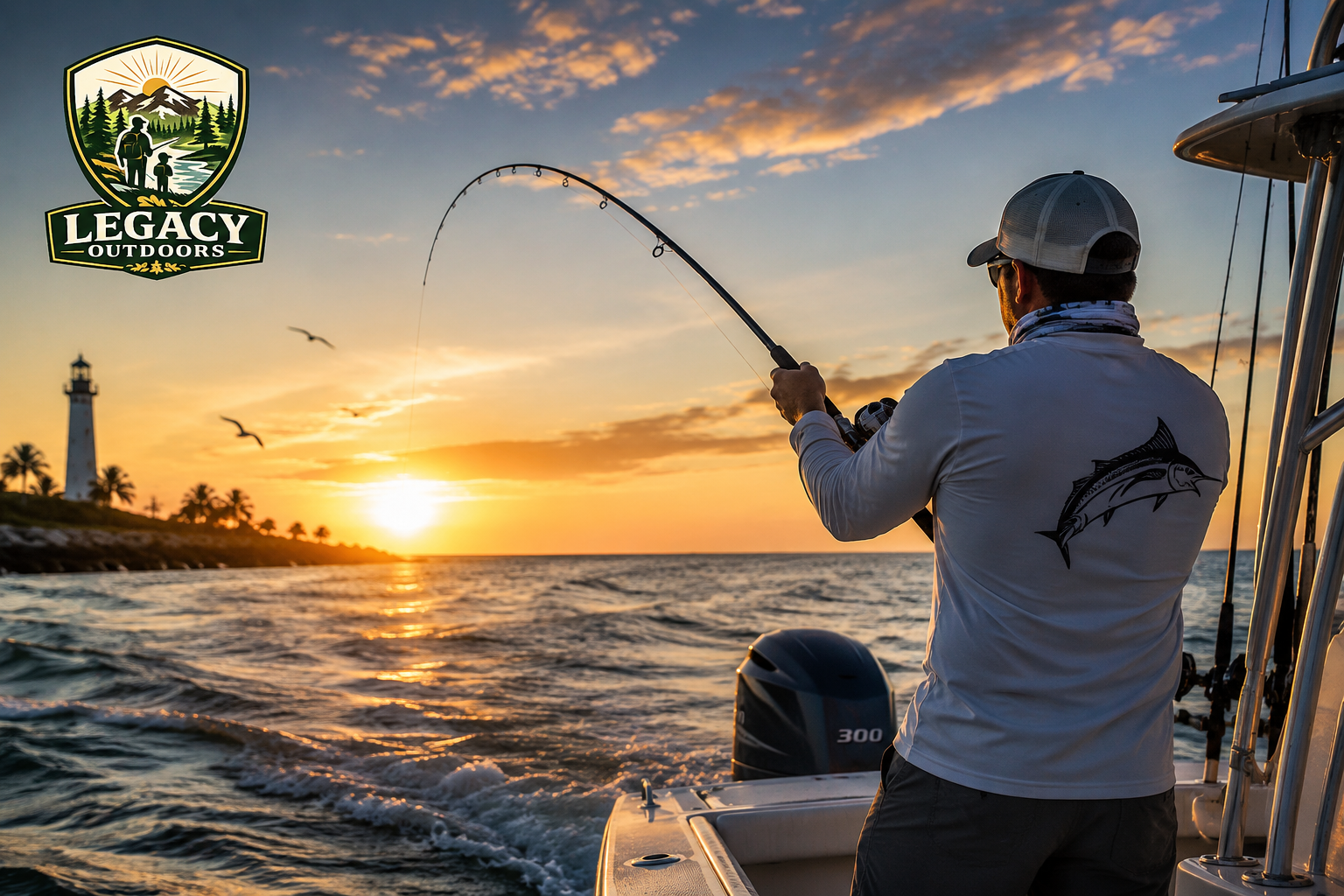
Summer has a way of pulling us back to the water. School lets out, families pack coolers and tackle boxes, and before sunrise boat ramps fill with anglers hoping for king mackerel offshore, redfish along the flats, or pompano from the surf.
But before the first cast, there’s one thing every fisherman should remember: the best fishing trip is the one where everyone comes home safely—and legally.
Safety Comes Before the Catch
Whether you’re heading twenty miles offshore or simply walking onto a public beach with a rod in hand, preparation matters.
Wear Your Life Jacket
Every year, boating accidents claim lives that could have been saved by simply wearing a properly fitted personal flotation device. If you’re fishing offshore or crossing inlets, don’t leave it stowed under a seat—wear it.
Check the Weather
Summer afternoons often bring rapidly developing thunderstorms, especially along the Gulf and Atlantic coasts. Lightning on open water can become life-threatening in minutes. Watch radar before launching and have a plan to return to shore early if conditions change.
Tell Someone Your Plan
Before heading out, let a family member or friend know where you’ll be fishing and when you expect to return. If something goes wrong, that information can save valuable time during a search.
Bring More Water Than You Think You’ll Need
Heat exhaustion and dehydration are common during summer fishing trips. Pack plenty of drinking water, sunscreen, polarized sunglasses, and light-colored clothing that offers UV protection.
Respect Rip Currents and Surf Conditions
Beach anglers often focus on the rods while forgetting the ocean behind them. Never turn your back completely on the waves, and avoid wading into unfamiliar channels or cuts where currents may be stronger than they appear.
Hidden Gems Worth Exploring
While famous destinations get much of the attention, some lesser-known fisheries consistently produce excellent action.
Cedar Key, Florida – Known for shallow grass flats that hold redfish, trout, and seasonal tarpon without the crowds found in larger coastal cities.
Port O’Connor, Texas – An underrated destination offering access to productive bays and nearshore waters with outstanding redfish opportunities.
Little River Inlet, South Carolina/North Carolina border – Frequently overlooked in favor of larger tourist destinations but offers quality inshore and nearshore fishing.
Apalachicola Bay, Florida – Rich estuarine habitat supports speckled trout, redfish, flounder, and seasonal species while maintaining a laid-back atmosphere.
Virginia’s Eastern Shore – Quiet marshes and barrier islands provide excellent opportunities for kayak anglers seeking striped bass, flounder, and red drum.
Sometimes the best memories aren’t made at the most famous destinations—they’re made where the crowds never think to look.
Know the Rules Before You Cast
One of the biggest mistakes new anglers make is assuming a fishing license works everywhere. It doesn’t.
Licensing requirements vary by state, and separate permits may apply for freshwater versus saltwater fishing. Age exemptions, short-term visitor licenses, and free fishing days also differ depending on where you fish.
If you’re traveling this summer:
Purchase the appropriate license before arriving at the water.
Verify whether additional permits are required for trout, lobster, or certain game fish.
Understand local size limits and daily bag limits.
Check seasonal closures that may protect spawning populations.
Ignorance of the regulations is rarely accepted as an excuse, and fines can quickly turn an inexpensive family outing into a costly lesson.
Practice Conservation
Responsible anglers leave the fishery better than they found it.
Dispose of fishing line properly, pack out trash, avoid disturbing nesting wildlife, and use proper handling techniques when releasing fish. Even small actions help preserve these resources for future generations.
The Legacy We Leave
Fishing has always been about more than filling a cooler. It’s about teaching patience to a child holding their first rod, sharing stories at the dock after sunset, and passing along traditions that outlive us.
As you head to the beach, the bay, or the open ocean this summer, fish responsibly, follow the regulations, and never compromise on safety. The trophy fish will always be a bonus—the memories made with family and friends are the real catch.
Licensing Tip: Before every trip, visit your state’s official wildlife or natural resources agency website to verify licensing requirements, seasons, bag limits, and any local regulations that may have changed since your last outing.
Free. Delivered to your inbox.